
SDA resumes data relay satellite launch following tech fixes
The next set of 21 Tranche 1 Transport Layer birds are set to launch Thursday on a SpaceX Falcon 9, SDA Director Gurpartap "GP" Sandhoo told reporters.
The next set of 21 Tranche 1 Transport Layer birds are set to launch Thursday on a SpaceX Falcon 9, SDA Director Gurpartap "GP" Sandhoo told reporters.

Space-BACN's optical inter-satellite links and related tech are transitioning to the Defense Innovation Unit for a future on-orbit pathfinder, according to industry execs.


One commander, many robots: Fully autonomous ground vehicles are reshaping the battlefield.

The Space Development Agency is taking a "strategic pause" in launching its Tranche 1 data relay and missile tracking satellites to work out the kinks discovered in the 42 birds already on orbit, according to SDA Director GP Sandhoo.

The study by the Aerospace Industries Association and PricewaterhouseCoopers found that in the case of some critical components, only three or fewer qualified domestic suppliers exist.

In an exclusive interview with Breaking Defense, outgoing SDA Director Derek Tournear said the agency's three biggest technological successes have been proving the viability of space-based Link 16; missile tracking from LEO; and low-cost laser links.

Quantum sensors hold promise to serve as the core for new systems for positioning, timing and navigation (PNT) that could provide an alternative, or even replace, today's Global Positioning System satellites.

Explore how software, edge AI and resilient connectivity can strengthen military logistics in contested environments. Join Breaking Defense on Oct. 21 and earn 1 CPE credit.
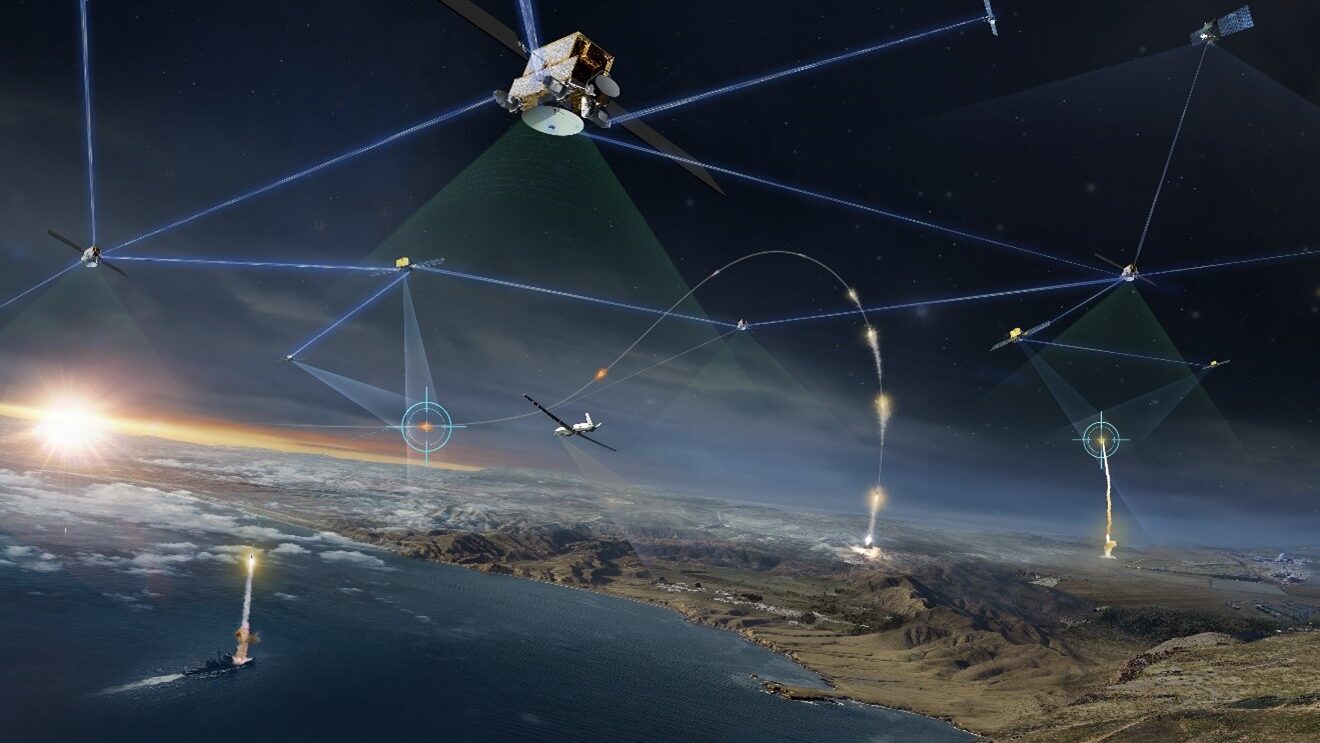
SDA originally had hoped to begin launching the Tranche 1 Transport and Tracking Layer constellations for its Proliferated Warfighter Space Architecture stationed in low Earth orbit in September 2024.
The Space Development Agency "has taken steps to develop laser communications technology but has not yet fully demonstrated it in space," finds a report released today by the Government Accountability Office.

Tournear said that the optical intersatellite link demonstration was final success in a trifecta of baseline challenges to SDA's plan to network hundreds of military satellites in LEO, as well as to eventually to integrate commercial satellites into the mix.


A new constellation with laser comms and compatibility with the Space Development Agency's Proliferated Warfighter Space Architecture is now taking shape.


"Being able to tell the commander you don't need to do something is actually a pretty powerful message, as well."

Long-range, high-speed optical communications will be critical for the service's plans for a "hybrid architecture" that would see networks of old and new military satellites, as well as commercial and allied networks, all communicating seamlessly to shift vast quantities of data around the world in near real-time.

While SDA plans to use lasers to connect its hundreds of satellites in low Earth orbit to each other and to the ground, that technology remains in its infancy.
Tournear said today that there will be a total of 216 Transport Layer satellites orbited for what the agency calls its Tranche 2 configuration, which will begin launching in 2026.
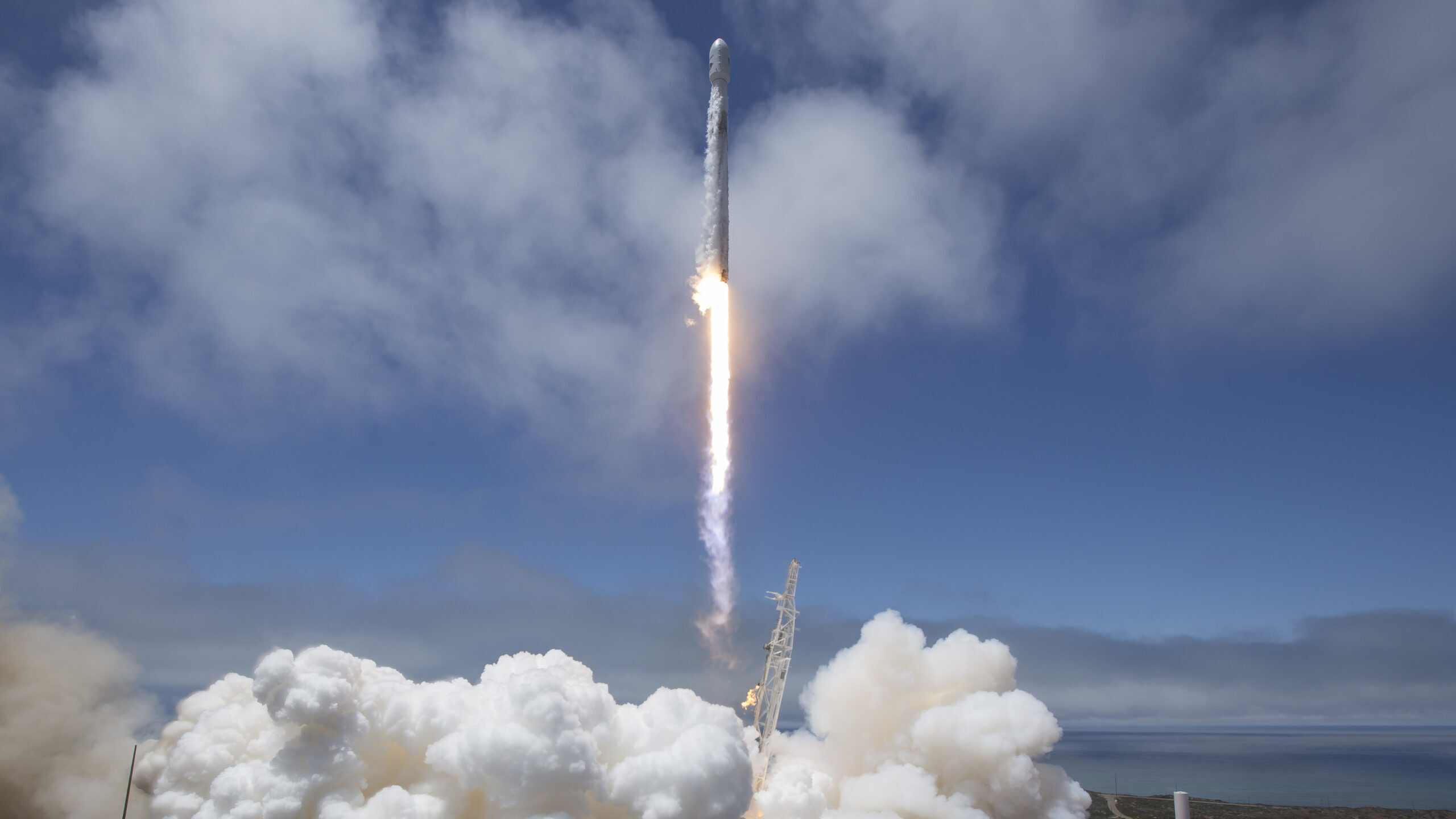
The 10 satellites, which will be lofted on a reusable SpaceX Falcon 9 from Vandenberg SFB to low Earth orbit (LEO), are the first batch of the Tranche 0 constellation, building blocks of America's resilient space strategy.